
Why cyclists develop neck and upper back pain
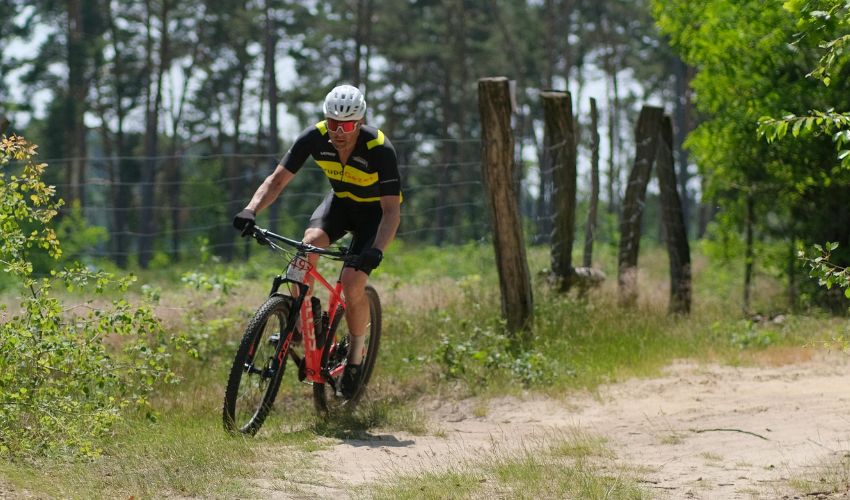
Cycling offers excellent cardiovascular benefits and is a popular way to improve fitness, commute, or enjoy the outdoors. However, many cyclists experience discomfort in the neck and upper back, particularly after longer rides.
Understanding why neck and upper back pain develops can help cyclists make adjustments that reduce strain and recognise when specialist spinal assessment may be needed.
Cycling posture and the spine
Cycling requires the body to maintain a forward-leaning position for prolonged periods. To keep the eyes focused on the road ahead, the neck must extend upwards while the upper back remains relatively flexed. This combination places continuous stress on the muscles, joints, and ligaments of the cervical and thoracic spine.
Correct bike setup is crucial. Handlebar position, saddle height, frame geometry, and reach distance all influence spinal alignment. An aggressive riding position may improve aerodynamics, but it can also increase strain on the neck and upper back if not appropriately matched to the rider. A professional Bike Fit is one of the most effective ways to reduce spinal stress.
Symptoms that get worse on longer rides
Research has shown that cycling places sustained demands on the spine. A large cross-sectional study examining musculoskeletal problems in cyclists, found high rates of spinal pain, particularly in disciplines involving prolonged trunk flexion and static postures.
Although much of the research has focused on lower back pain, many of the same biomechanical principles apply to the cervical and upper thoracic regions. Remaining in one position for extended periods limits normal movement and increases stress on muscles responsible for maintaining posture. As muscles tire, cyclists may unconsciously adopt less efficient postures, placing additional strain on the neck and shoulders.
When neck pain may involve a nerve or disc
Most cycling-related neck pain arises from muscular strain or joint irritation. However, symptoms can occasionally indicate involvement of a cervical disc or nerve root.
Any persistent symptoms that do not improve with rest should be checked, including:
- Pain radiating into the shoulder, arm, or hand
- Tingling or numbness in the arm or fingers
- Weakness affecting grip strength or arm function
These symptoms may occur when a disc protrusion, degenerative change, or narrowing around a nerve places pressure on nearby neural structures.
Early assessment is often beneficial, particularly if symptoms are progressing.
Book an assessment with a spinal specialist
Occasional stiffness after a long bike ride is common and often improves with stretching, rest, and attention to how the bike is set up. However, ongoing neck or upper back pain shouldn’t be ignored.
Mr El-Maghraby specialises in diagnosing spinal conditions affecting the neck and back. Following an assessment, treatment can be tailored to the underlying cause.
Management may include physiotherapy, targeted spinal injections, or minimally invasive spinal procedures designed to relieve nerve compression while preserving normal movement.
If neck or upper back pain is affecting your enjoyment of cycling, book an appointment today to help identify the cause and set you on a path to a safe return to comfortable riding.

